


.svg)
.svg)
85% of workers don’t use AI for business value
More than half of knowledge workers (55%) now use AI every week. But a much smaller percentage (15%) have a valuable work-related use case. And 1/4 don’t use it for work at all.
What’s worse, C-suite leaders don’t appear to see a problem.
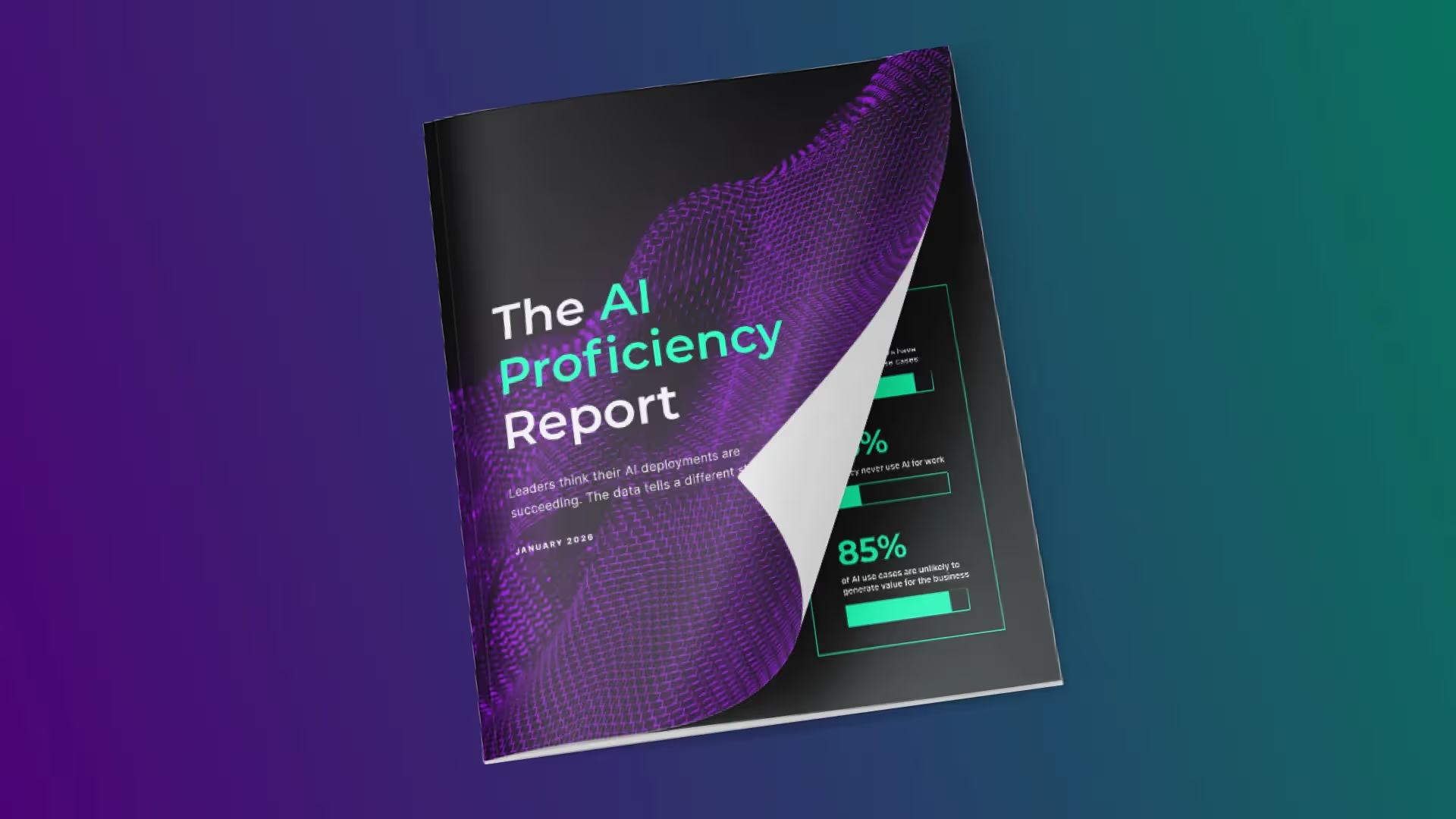
That’s the concerning takeaway from our latest AI Proficiency Report, out this week. We surveyed 5,000 knowledge workers in the U.S., U.K., and Canada and found:
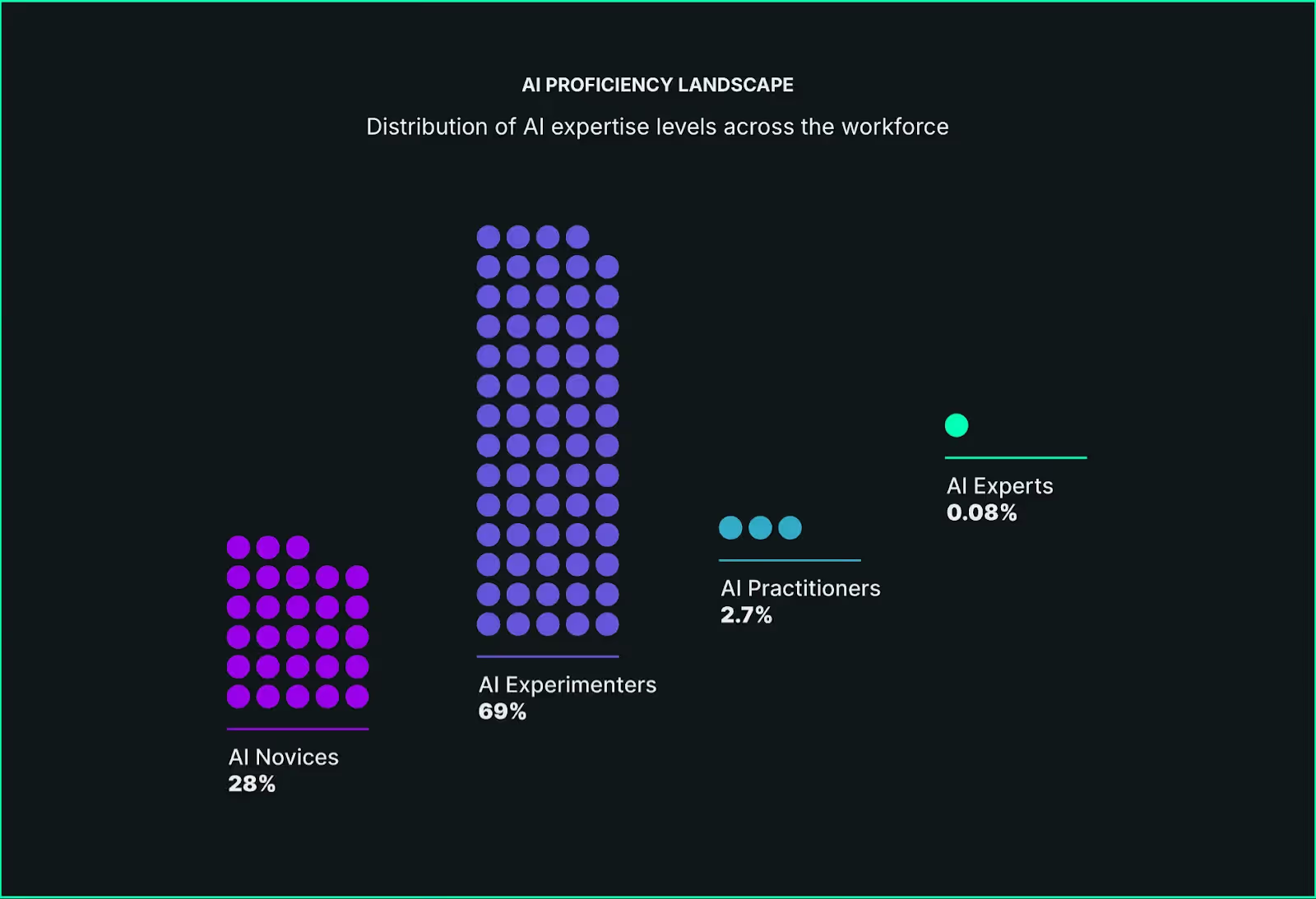
- The bar for AI proficiency is rising, but employees aren’t meeting it. AI’s capabilities have accelerated in the last year, but 70% of employees are still what we call “experimenters” - meaning they prompt poorly and use AI for very basic use cases. Less than 3% are using AI in ways that will generate significant time savings and ROI.
- Very few knowledge workers have a good work-related AI use case. 85% of reported AI use cases are unlikely to generate any value for the business. Only 2% were judged to be advanced use cases, meaning they use automations to benefit the organization (rather than contribute to individual productivity). 26% of the workforce admits they don’t use AI for work at all.
- Leadership fails to see this usage-value gap. Despite lagging proficiency and lacking AI use cases, the C-suite largely thinks their deployments are a success. They’re 31% more likely than individual contributors to think they’ve achieved widespread AI adoption.
As you start to execute on your 2026 AI goals, here’s what this data means for your AI strategy.
1. Rethink your success metrics
Most of the workforce uses AI at least weekly – nearly a quarter are using it daily. But 59% of reported AI use cases are just basic task assistance. The most common use case is as a replacement for Google search.
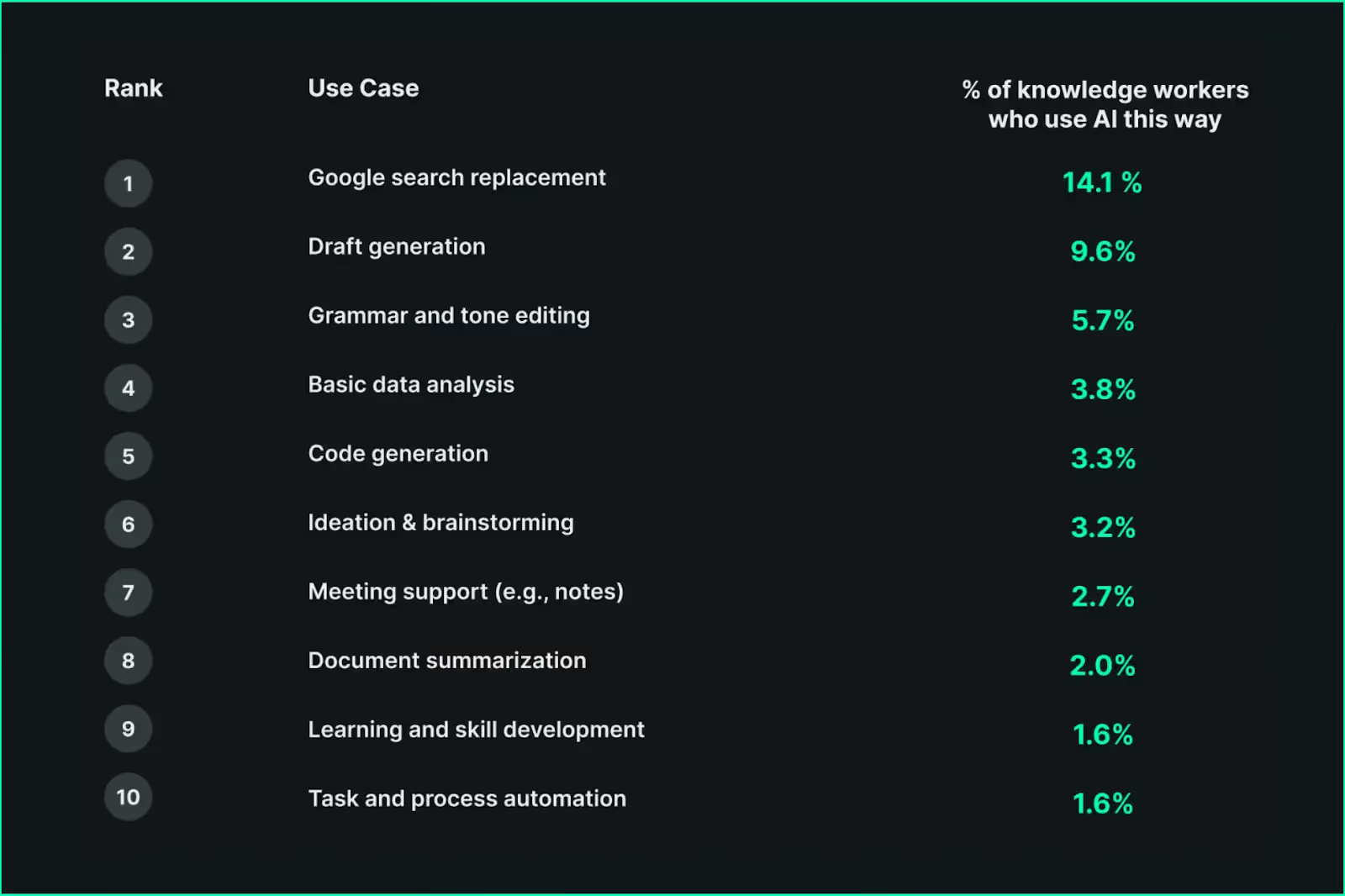
So your team may be logging into an AI tool and using it with some regularity – but it’s likely they’re not driving any value for your business. Adoption rates and frequency of tool access are no longer good proxies for success in your deployment.
Your mandate: Start tracking time saved per employee, number of team-wide use cases, quality of most common use cases, and impact to business outcomes instead.
2. Adapt your AI resources to the rising bar
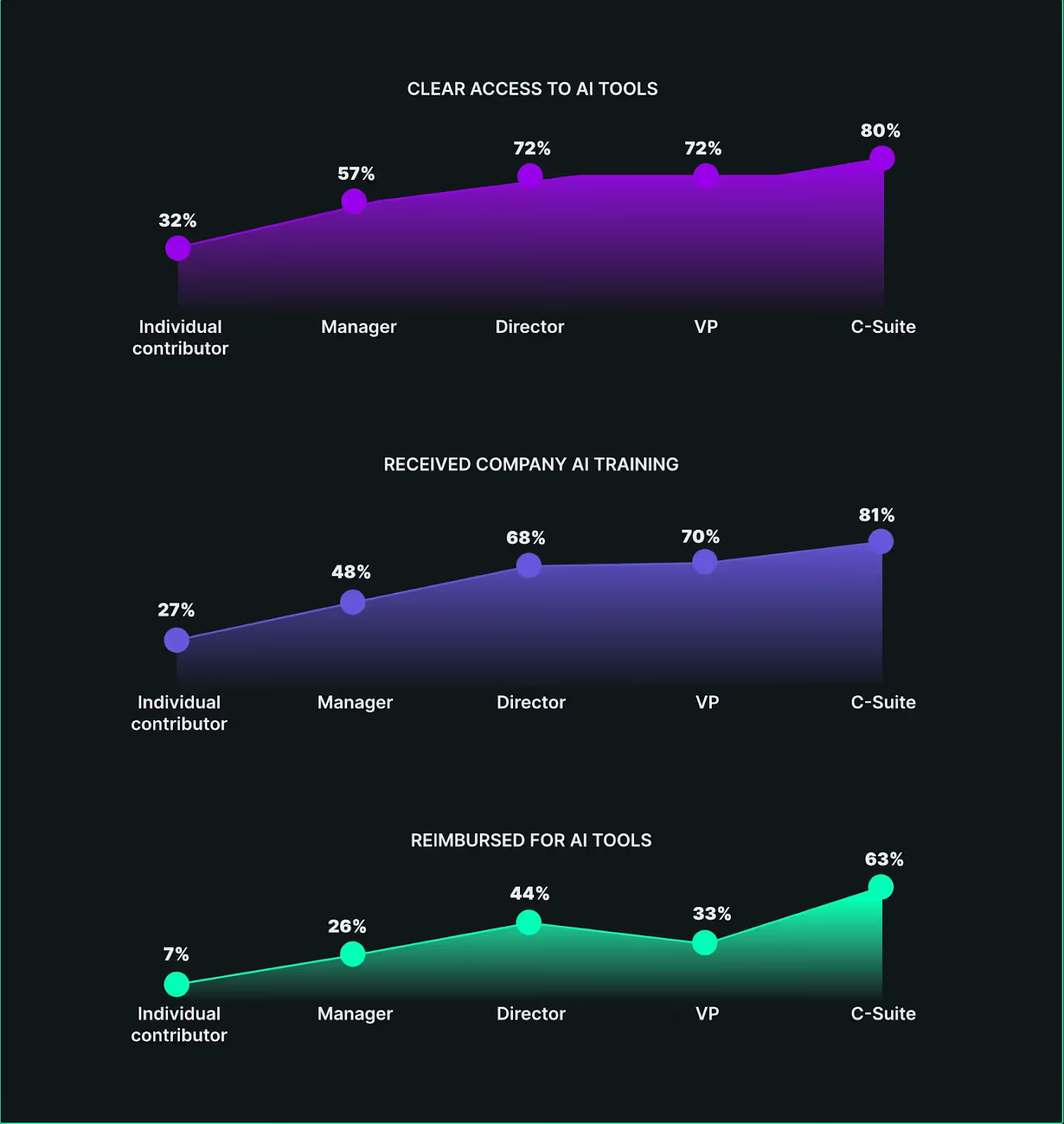
A lot of companies are making the “right” investments – workers are 17% more likely to have access to a formal policy, 16% more likely to have clear tool access, and 2% more likely to receive AI training. But they’re not moving the needle, because these actions are built to create AI beginners.
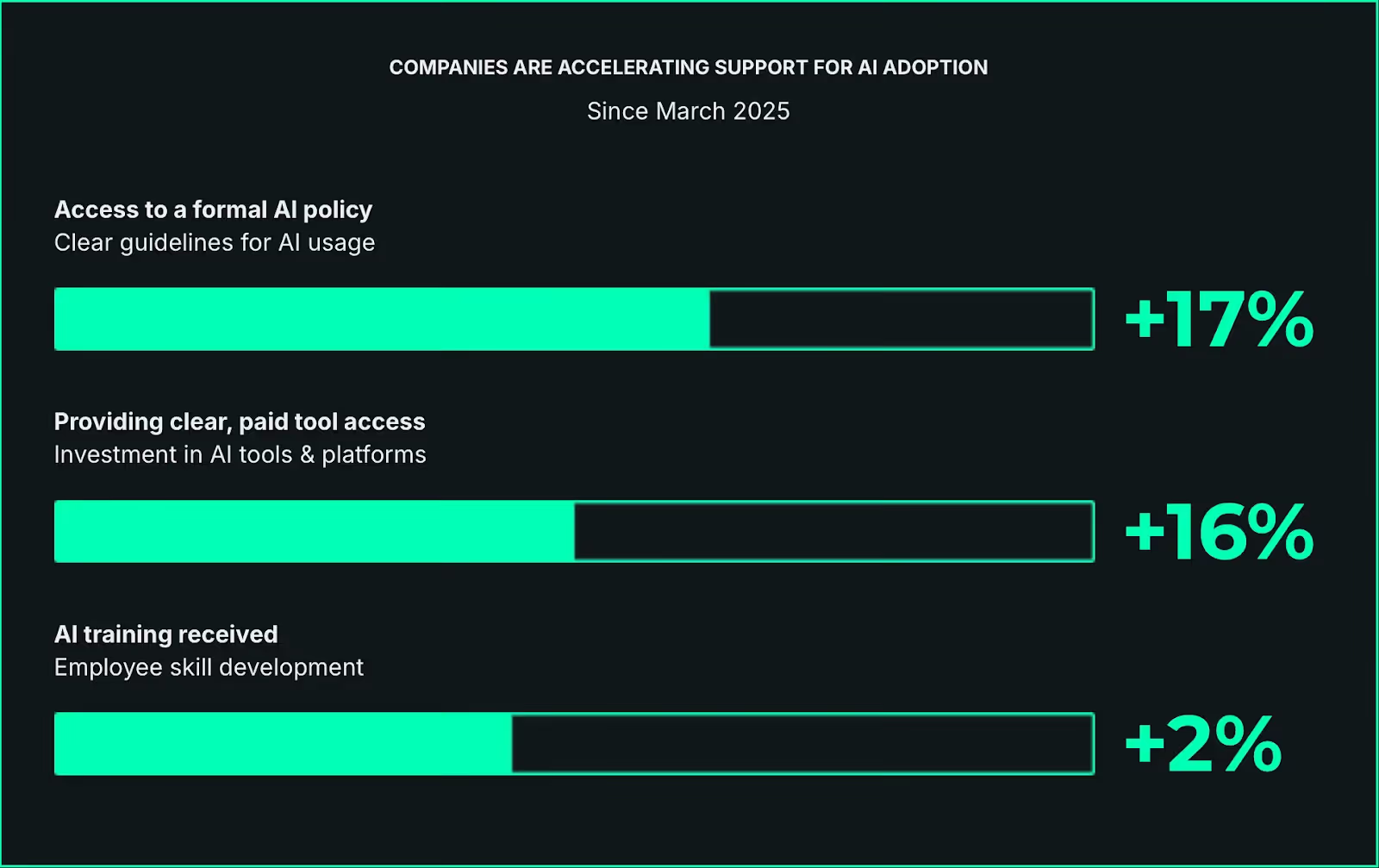
Making sure employees know how to safely access and prompt AI is table stakes now. Your 2026 programs should cover how to identify value-adding AI use cases and start building automations.
Your mandate: Start building continuous learning infrastructure now – not one-time training. This should include function-specific use case libraries, a process for discovering and sharing use cases, and training and empowerment to build automations.
3. Close the gap between individual contributors and leadership
Right now, the C-suite lacks visibility and ICs lack resources.
Your top-line leaders need to be informed about how their teams feel about and use AI – and they should be able to understand how company strategy is influencing use and sentiment. Right now, they have a very different perception of how their AI initiatives are going than their employees.
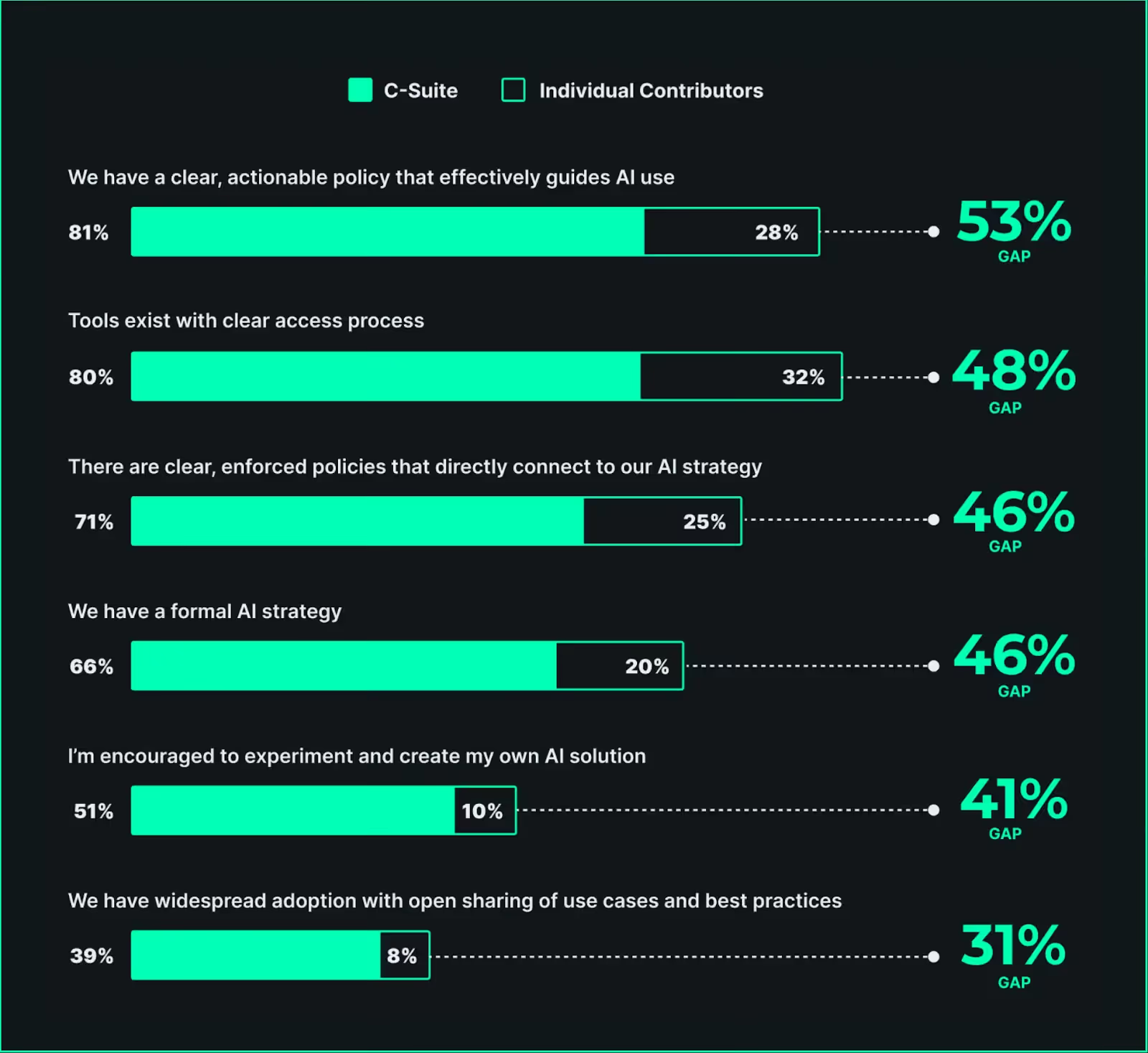
Relatedly, only 32% of ICs say they have access to AI tools, versus 80% of the C-suite, and 27% of ICs get access to AI training versus 81% of the C-suite.
So it’s not surprising that 68% of ICs are overwhelmed or anxious about AI versus just 26% of the C-suite.
Your mandate: Prioritize IC access and enablement, and mandate that every manager expect and encourage AI use from their teams. And make sure your C-suite has ongoing, real visibility into how their employees use and feel about AI.
This report is required reading for all leaders as we kick off 2026. Get the rest of the data and adjust accordingly.

.png)
.svg)


.webp)