
BE THE GO TO EXPERT ON AI TRANSFORMATION
Subscribe to receive weekly intelligence from Section for the 170k+ strategic operators making AI actually work

What makes an AI ambassador program actually stick

The 10 essential business skills every person (or team) needs
I’m sure we’ve all had this thought over the course of our career: “I wish somebody could give me a playbook on how to be great at my job.”
Well, we’re here to tell you that being a great strategist isn’t a natural talent or a magic trick. It’s a list of critical skills that, when mastered, make you indispensable.


Do this exercise to get more meaning from your life
It's about pinning down your "ultimate why," according to Berkeley Haas professors Sahar Yousef and Lucas Miller.

4 steps to give a winning presentation (hint: sound like a human)
We all know what a great presentation sounds like. But going up there and delivering one ourselves? That's a different matter.


5 questions every great manager asks their team
Stop asking, "When will I get this by?" and start asking the five questions that matter for coaching great teams.

The 4 priority strategies for every marketer in Q1
This week, we heard from 8 marketing experts from companies like Estee Lauder, HubSpot, and Zapier on THE AI strategies that need to be in every CMO’s 2026 plan. Our own Head of Marketing, Rachel Fields, is sharing the 4 tactics on her own to-do list.

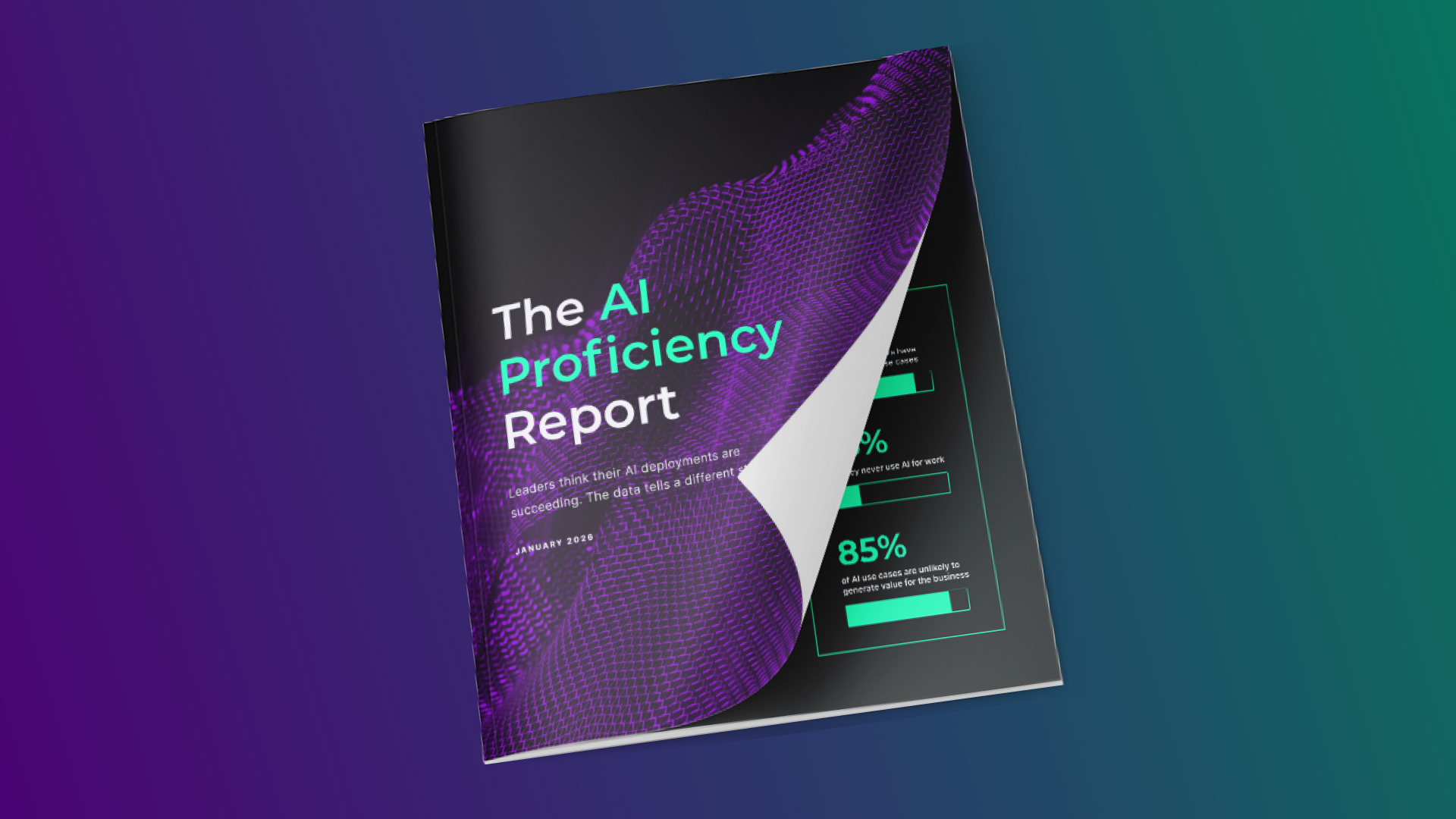
85% of workers don’t use AI for business value
Our latest AI proficiency research was released this week – and if you’re leading a team through AI transformation, you’re going to want to keep reading.

Pi had a million users. So why did Inflection just implode (and take Pi with it)?
Microsoft just cannibalized a company it was a lead investor in and took its chatbot down with it. Here's what that means for other AI startups.


3 drills to teach your team AI, using AI
L&D might be dragging their feet on training your team on AI (we’ve seen it firsthand). So, use AI itself as your team coach.


